

Blackbeard remains one of history’s most enduring figures of maritime legend. Beyond the dramatic stories of sea battles and legendary shipwrecks, Blackbeard Writing captures the attention of historians and enthusiasts alike because it offers a rare glimpse into pirate life through surviving documents and eyewitness accounts. These writings, whether trial records, eyewitness reports, or later chronicles, help separate myth from reality. They show not just a fearsome figure with a black beard but a man whose impact on culture and storytelling has stretched far beyond his time at sea.
The world of Blackbeard blends fact with folklore. Much of what is known about him comes from scattered historical sources that various authors, chroniclers, and collectors pieced together over the centuries. These writings help paint a picture of his tactics, personality, and how he was viewed by friends and foes alike. In some corners of internet culture, blackbeard writing meme has become a playful shorthand to refer to how exaggerated or dramatic these historical depictions can be.
Who Was Blackbeard?
Blackbeard was an English pirate whose real name was likely Edward Teach or Thatch. He operated in the Caribbean and along the Atlantic coast of North America, establishing a reputation that combined strategic skill with fearsome notoriety. Primary historical sources place his activities predominantly in the years after Queen Anne’s War, when privateering gave way to full‑time piracy.
Official documents from the period show that Blackbeard was not some random rogue but a pirate captain who understood both the art of intimidation and the value of reputation. His physical appearance, especially the thick black beard that gave him his name and the practice of placing slow‑burning fuses under his hat during battles, was a deliberate tactic to inspire fear in those he confronted.
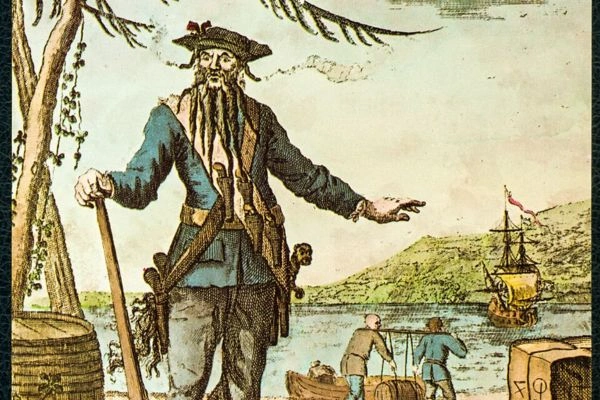
Despite his fearsome image, historical deposits and accounts suggest that there is no clear evidence that he murdered many of his captives outright. Later writings and dramatized retellings often elevated his violence to mythic proportions. This contrast between the historical record and storytelling is part of what makes Blackbeard’s legacy so fascinating and why Blackbeard Writing remains a subject of study and speculation.
The Role of Primary Documents in Understanding Blackbeard
Studying the documents from Blackbeard’s lifetime can be challenging. Many reports were written by people who never met him and were often shaped by rumor and sensationalism. Despite this, a few primary sources remain invaluable for historians.
Trial Records and Colonial Correspondence
Records from colonial administrations and naval reports provide firsthand descriptions of Blackbeard’s activities. Some letters and government correspondence mention his blockades of ports and interactions with other pirates and colonial officials. These documents help set a timeline for his exploits and track how authorities responded to piracy as a growing threat.
Such documents also reveal how Blackbeard’s name first appeared in written history. One of the earliest surviving mentions of him by name appears in a letter from a colonial official representing the governor of South Carolina. This correspondence, crafted in the early stages of his career, provides context for how pirate hunters and colonial governments perceived him at the time rather than through later legend or folklore.
Newspaper Reports
Period newspapers were among the first media to spread news of Blackbeard’s deeds widely. One early piece published in England reported the capture of merchants by a pirate sloop identified as being under the command of someone named Teach, providing contemporary evidence of his activities on the high seas. These early print reports are important because they show how news of piracy traveled and how Blackbeard’s name became synonymous with seafaring crime.
Queen Anne’s Revenge and Archaeological Finds
While many documents contribute to the story of Blackbeard, physical evidence from his flagship, the Queen Anne’s Revenge, offers another layer of insight. Discovered in the waters off North Carolina in 1996, the ship’s remains and the thousands of artifacts recovered help contextualize the world Blackbeard inhabited.
Shipwreck Discoveries
Archaeological work at the Queen Anne’s Revenge site has yielded cannons, navigational tools, personal objects, and fragments of printed texts. Some of the paper fragments discovered with the wreck have been traced to a 1712 seafaring account by Captain Edward Cooke. These fragments hint at what sailors and pirates might have read during long voyages, adding a human dimension to life aboard a pirate ship.
The kinds of texts missing and found among the wreckage offer clues to the educational and cultural background of seafaring crews. While literacy rates were not high among common crewmen, officers and navigators would have needed to read ships’ logs, charts, and navigational guides. The survival of these fragments suggests that books and written accounts were valued even on pirate vessels.
Blackbeard’s Image and Storytelling
Over time, narratives about Blackbeard evolved far beyond the content of the original documents. A key text in shaping the modern perception of Blackbeard is the 1724 publication A General History of the Pyrates, attributed to “Captain Charles Johnson.” This work, though produced after Blackbeard’s death, combined factual elements with dramatic embellishment and became a primary source for later historians and storytellers.
The Power of Narrative
The dramatized recounting of Blackbeard’s life in later historical compilations influenced how future generations saw him. These narratives often highlight fearsome characteristics and extraordinary exploits, turning him into a mythic figure almost larger than life. Fire‑lit beards and monstrous deeds became standard parts of pirate lore, even if official records were more restrained.
This evolution in storytelling is part of what keeps Blackbeard Writing relevant. It shows how written accounts shape collective memory. The contrast between centuries‑old trial documents and later dramatic retellings highlights how stories adapt to fit the desires of their audiences, which is a timeless human habit.
,_Walking_the_Plank,_from_the_Pirates_of_the_Spanish_Main_series_(N19)_for_Allen_%26_Ginter_Cigarettes_MET_DP835032.jpg)
Culture and the Blackbeard Writing Meme
In modern internet culture, a blackbeard writing meme often refers to humorous or exaggerated takes on how old pirate documents might look or what they might contain. These memes tend to play on the elaborate, dramatic language audiences associate with pirate lore. While playful, they also reflect how deeply ingrained Blackbeard’s image has become in popular culture.
Debunking Myths Through Historical Writing
Many long‑held beliefs about Blackbeard come straight from popular narratives rather than historical documents. One widespread myth is that he buried vast treasure troves for later generations to find. Historical records and archaeological evidence, however, do not support this claim. No verified buried loot has been found tied to him, and experts believe that most of the wealth pirates seized was quickly traded, sold, or spent.
Another myth concerns the sheer violence attributed to him. Some interpretations suggest that much of Blackbeard’s fearsome reputation came from his own cultivation of an image. By encouraging tales of terror and brutality, he could intimidate his opponents into surrender without intense conflict. This aligns with contemporary accounts suggesting that he was a strategic thinker who used psychological tactics as much as physical force.
Law, Pirates, and Colonial Response
The documents from colonial administrations reveal more than anecdotes about pirate exploits. They also show how governments reacted to the rise of piracy and how that is reflected in sources tied to Blackbeard. In response to the growing threat of piracy, British authorities offered pardons to pirates who would renounce their ways and pledge loyalty to the Crown. Blackbeard accepted such a pardon once but returned to piracy shortly after, revealing a complex relationship with authority and law enforcement.
Examination of Writings
Many of the surviving writings are administrative or legal in nature. Naval logs, official proclamations, and correspondence between colonial governors form the backbone of reliable evidence about what happened. These documents often include meticulous details about troop movements, pirate interceptions, and deportations, and they help historians reconstruct events with a degree of precision that pure storytelling cannot match.
While dramatic narratives capture the imagination, it is these records that provide the most dependable insight into the operations of pirate crews like Blackbeard’s and how they interacted with colonial officials and naval forces.
How Blackbeard’s Written Legacy Shapes Popular Culture
The influence of Blackbeard Writing extends well beyond academic history. Books, films, and series have all drawn on his legend, blending fact with fiction to craft compelling stories. Works like Pirates of the Caribbean and various television portrayals owe a debt to the language and imagery that emerged from historical accounts and later retellings.
Feature Films and Fiction
Blackbeard’s character has appeared in films and television series, bringing elements of his historical image into modern storytelling. Though these depictions often take liberties for dramatic effect, they are rooted in the language and descriptions found in both primary documents and later pirate folklore. This blending underscores how written accounts, whether accounts of trial records or fictionalized histories, shape cultural perceptions.
Novels and historical fiction inspired by Blackbeard also draw heavily on literary sources rooted in Blackbeard Writing. These books may exaggerate or reframe events, yet they perpetuate interest in his life and times, inviting readers to explore a deeper analysis of primary documents.
Frequently Asked Questions About Blackbeard Writing
- What is Blackbeard Writing?
Blackbeard Writing refers to the surviving documents, trial records, and historical accounts that reveal details about the infamous pirate Blackbeard. These writings provide insights into his tactics, personality, and maritime exploits, separating fact from legend.
- Why is Blackbeard Writing important?
Studying Blackbeard Writing helps historians and readers understand pirate life and strategy. The documents show how Blackbeard built his fearsome reputation, interacted with colonial authorities, and influenced maritime culture.
- What does the Blackbeard Writing meme mean?
The Blackbeard Writing meme playfully exaggerates or dramatizes historical pirate documents. It reflects how people humorously interpret the elaborate and intense language used in historical accounts about Blackbeard.
- Where can I find original Blackbeard Writing?
Original Blackbeard Writing is found in colonial correspondence, trial records, naval logs, and early newspapers. Museums, digital archives, and historical publications often provide access to these primary sources.
- What do Blackbeard Writing documents reveal about his life?
These documents reveal Blackbeard’s leadership style, his use of intimidation, and his interactions with both pirates and authorities. They also show how his image evolved, inspiring legends and cultural references still popular today.
Understanding Blackbeard Writing and His Legacy
The story of Blackbeard is more than a wild tale of sea battles and buried treasure. It is a narrative built on fragments of historical writing, archived correspondence, and layered storytelling that has evolved over centuries. Blackbeard Writing encompasses a wide array of sources, from official colonial records to later dramatized biographies, each contributing to a fuller understanding of this legendary pirate.
By examining these documents with a critical eye, it becomes clear that Blackbeard was a complex figure. Not just a monster of lore, he was a strategic and deliberate actor whose reputation was at least partly self‑fashioned. These records help separate the sensational from the factual, even as popular culture continues to be captivated by his image. Whether through academic study or internet culture with its playful blackbeard writing meme references, exploring the written legacy of this infamous pirate offers insight into both the past and the stories that survive it.