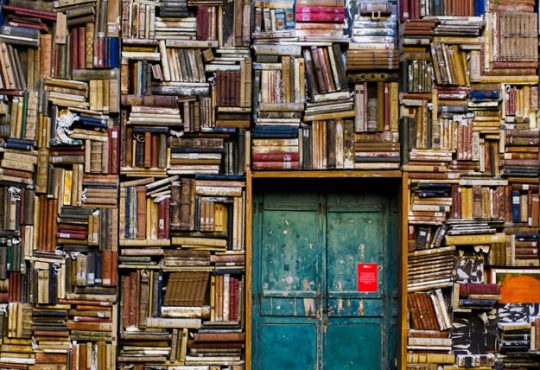

In a world dominated by instant gratification and digital overload, one corner of the internet celebrates the tangible, historic, and cherished: online second-hand books. This vibrant marketplace connects millions of readers, collectors, and casual book lovers with titles that have already lived one life and are ready for their next adventure.
Buying and exploring online second-hand books is more than a way to save money, it is a movement. Rooted in sustainability, the thrill of discovery, and a quiet pushback against the fast pace of modern life, it offers a reading experience that is both meaningful and modern. Whether you are searching for a rare first edition, a beloved childhood classic, or your next weekend escape, the world of pre-loved books online promises adventure, character, and endless reward.
The Booming Business of Pre-Loved Pages
The online second-hand book market is not a niche hobby; it is a significant global industry. Valued at billions of dollars and projected for continued strong growth, this market is expanding rapidly, a trend fueled by two major forces: increasing digital literacy and a rising global commitment to sustainable consumption.
The convenience of online shopping meets the ethical appeal of the circular economy. For a generation increasingly conscious of its environmental footprint, choosing a used book is a simple, tangible way to participate in sustainability. Every used book purchased is one less book printed and one less item sent to a landfill. It is the ultimate feel-good purchase, delivering a new story to read while ensuring an old one continues its journey.
The major driver of this growth is accessibility. Gone are the days of having to visit half a dozen dusty local shops hoping they might have the specific title you seek. Today, a world of inventory is at your fingertips, offered by everyone from independent booksellers and major charities to individual readers just decluttering their shelves. This digital revolution has turned the hunt for a second-hand book into a global search engine quest, making previously obscure titles and out-of-print gems readily available to anyone with an internet connection.
The Premier Stores of Online Second-Hand Books
The landscape of online book selling is diverse, featuring platforms suited to every kind of transaction and book. Understanding these key destinations is the first step in mastering the art of buying and selling pre-loved literature.

1. The Global Giants: Amazon and eBay
When discussing online commerce, Amazon and eBay are unavoidable, and their book sections are no exception.
- Amazon: As the world’s largest online retailer, Amazon provides an immense customer base for sellers. Their system allows sellers to list used books right alongside the new copies, giving buyers an immediate price comparison. They offer two main selling paths: Fulfillment by Amazon (FBA), where Amazon handles storage, shipping, and customer service, and Fulfillment by Merchant (FBM), where the seller manages all logistics. While fees are a consideration, the sheer volume of traffic and the trust buyers have in the Amazon brand make it a powerful platform, especially for standard titles and academic textbooks.
- eBay: The classic online auction house, it is a phenomenal space for second-hand goods. While you can use a fixed-price listing, the auction format truly shines for rare, collectible, or niche books. The bidding process can drive up the price of unique finds, often resulting in higher returns for sellers of vintage paperbacks, signed copies, or unique editions. eBay’s global reach means a seller in London can easily connect with a collector in Tokyo, opening up the market for specialized inventory.
2. The Specialist Aggregators and Marketplaces
For serious book lovers or ethical consumers, several specialized platforms offer a curated experience and a more focused mission.
- AbeBooks: Often considered the gold standard for rare and out-of-print books, AbeBooks connects buyers directly with thousands of independent bookstores around the globe. This is the place to search for books that are a little older, a little more obscure, or require the expertise of a professional antiquarian dealer. It is a treasure chest for collectors.
- ThriftBooks and Better World Books: These large-scale operations are built around volume and sustainability. They buy books in bulk, offer incredibly low prices, and often include features such as free shipping above a specific price point. Crucially, their business models are usually linked to philanthropic efforts. Better World Books, for example, is famous for raising millions of dollars for literacy and library programs and for donating millions of books worldwide. Shopping here not only saves you money but also contributes to global literacy efforts.
- Biblio: Similar to AbeBooks, Biblio focuses on supporting independent used bookstores globally. They pride themselves on social responsibility, having used profits to build libraries in rural South America, making them a popular choice for buyers who want their money to support small businesses and ethical causes directly.
- BookScouter: For sellers, BookScouter is a crucial tool. It is not a direct-selling platform but a comparison site that aggregates buyback offers from dozens of vendors, helping sellers quickly find the best price for their used textbooks and standard titles by simply entering the ISBN.
3. Community and Local Sales
Not all used books need to travel across continents. Sometimes, the best deals are local, saving on shipping and fostering community.
- Facebook Marketplace and Local Groups: These platforms are fantastic for selling books in bulk or for people who prefer the convenience of local pickup. By eliminating shipping costs and fees, sellers can offer lower prices while still earning a decent profit, and buyers get instant gratification.
- Etsy is recognized for crafts and vintage items and also serves as a platform for selling books that have an artistic, vintage, or specialized appeal. Think beautiful antique books, unique decorative collections, or hand-bound journals. The Etsy audience appreciates aesthetics and quality craftsmanship, often leading to higher prices for visually appealing or collectible items.
The Financial and Environmental Rewards of the Used Book
The motivation to buy second-hand goes far beyond a simple transaction. It is an investment in your personal library, the planet, and a sense of shared history.
The Cost-Effective Library Builder
The most immediate benefit is the significant cost savings. College students facing hundreds of dollars in textbook costs each semester can often save 50 to 80 percent by purchasing used copies of previous editions. For the avid fiction reader, buying a stack of used paperbacks costs less than a single new hardcover, allowing them to build a rich and varied personal library without breaking the bank. This affordability removes a financial barrier to reading, democratizing access to literature for everyone.
The Triumph of Sustainability
Every decision to purchase a used item is an act of environmental stewardship. The production of new books requires paper from trees, ink, chemicals, energy for printing, and fuel for distribution. By choosing a used copy, you are:
- Reducing Demand for New Resources: You lessen the need for virgin paper pulp.
- Lowering Your Carbon Footprint: You minimize the energy and fuel expended in printing and the initial distribution cycle.
- Preventing Landfill Waste: You extend the lifecycle of a product that might otherwise be discarded, participating directly in the circular economy.
This simple act of choosing a pre-loved book is a decisive, personal contribution to a greener planet, making reading an inherently sustainable hobby.
The Magic of Discovery and Character
There is a unique allure to a used book that a new copy can never replicate. Used books have character.
- Finding Treasure: You might open a book to find a charming inscription, a forgotten postcard serving as a bookmark, or the previous owner’s thoughtful marginalia, which opens a dialogue across time. These personal touches add a layer of history and meaning, deepening the reading experience.
- The Hunt for the Obscure: The used book market is the only reliable place to find books that have gone out of print. For researchers, niche hobbyists, or fans of forgotten authors, the online search for an out-of-print title can be an exhilarating quest ending in a successful discovery that would not be possible in a new bookstore.
Navigating the Challenges: What to Watch Out For
While the benefits are plentiful, the online used book market has a few unique hurdles that buyers and sellers must navigate.
The Condition Conundrum
The single biggest challenge is accurately assessing a book’s condition before it arrives on your doorstep. While most reputable sellers use standardized terms like “Like New,” “Very Good,” “Good,” and “Acceptable,” these can be subjective.
- Buying Tip: Always check a seller’s reviews and insist on clear, high-resolution photographs, especially for books listed in “Acceptable” or “Good” condition. Look for specific descriptions of flaws, such as “minor shelf wear on jacket,” “light highlighting in first chapter,” or “crease on the spine.” Transparency is key, and a vague listing is often a red flag.
- Selling Tip: Be meticulously honest. Over-promising and under-delivering is the fastest way to earn a negative review. Take multiple photos that clearly show any marks, tears, or water damage. It is always better to slightly understate the condition to ensure the buyer is pleasantly surprised upon delivery.
Shipping and Logistics
The cost and complexity of shipping are another major factor, particularly for international sales or bulk purchases. Books are heavy, and shipping can sometimes negate the savings of the low purchase price.
- Buyer Tip: Always factor in shipping costs when comparing final prices. Some vendors offer free shipping after a certain spending threshold, which can make a big difference when buying multiple titles.
- Seller Tip: Choose your packaging wisely. Use bubble mailers for small paperbacks and sturdy, custom-sized boxes for heavy hardcovers. Always use a tracked delivery service to protect yourself against claims of non-delivery, and consider offering a slightly higher price point that incorporates a competitive shipping rate to attract buyers.
Becoming a Successful Online Book Seller
Selling your old books is an excellent way to declutter your home, recoup some of your initial investment, and support the circular economy. Success in this area relies on preparation, presentation, and strategy.
1. Preparation and Inventory Management
Before listing, you must know what you have and what it is worth.
- The Condition Check: Go through your books meticulously. Remove old price stickers gently, wipe down dusty covers, and erase any pencil marks. Identify the condition using standard terminology.
- ISBN is King: For modern books, the International Standard Book Number (ISBN) is your most important asset. It allows you to check prices instantly in comparison tools and ensures you list the correct edition.
- Identify Collectibles: Look for signatures, first edition indicators (often the number ‘1’ in the printing line), and books by currently trending authors, especially those popularized on social media platforms like BookTok. These titles can command a significant premium.
2. Mastering the Product Listing
A good listing is both truthful and attractive.
- The Title and Keywords: Your listing title must be descriptive and contain relevant keywords. Instead of “Old Harry Potter Book,” use “Harry Potter and the Sorcerer’s Stone Paperback First American Edition Used Good Condition.” Include the author, title, format, edition details, and a quick summary of the condition.
- High-Quality Photography: This cannot be overstated. Take photos in bright, natural light. Show the front, back, and spine. If the book is signed or has a notable flaw, take a clear close-up of that specific feature. A plain, neutral background ensures the book is the sole focus.
- Transparent Description: List the core details and then clearly state any wear. Examples: “Pages are clean with no writing or highlighting,” or “Dust jacket has a one-inch tear at the top of the spine, otherwise the book is solid.”
3. Pricing and Strategy
Do your research to set a competitive price. Use platforms like Amazon or eBay to see what similar copies are currently selling for, not just what others are listing them for.
- Pricing for Volume: For common books, price them to be the most competitive in their condition tier to ensure a fast sale.
- Pricing for Rarity: For rare or collectible books, a slightly higher price is justifiable, but be prepared to hold onto the item longer. Consider listing it on a specialist platform like AbeBooks for better exposure to collectors.
- The Textbook Rule: Textbooks depreciate rapidly as new editions are released. The best time to sell a textbook is immediately after a semester ends, when the next wave of students is beginning their search. Procrastination in this category is financially costly.
Why Second-Hand Books Continue to Thrive
As digital technology advances, the online used book market is becoming increasingly sophisticated. App-based selling is more streamlined, international logistics are more efficient, and condition-assessment tools are growing increasingly precise, with artificial intelligence beginning to assist in categorizing imperfections. Companies with mission-driven goals, such as donating to literacy programs with each purchase, continue to attract a loyal and expanding audience.
Books resist obsolescence, serving as vessels of knowledge, history, and enjoyment. By connecting sellers and buyers across vast distances, the second-hand book market ensures these character-filled objects not only survive but flourish. The enduring popularity of shared stories reflects a lasting human love for reading and the value of preserving well-loved books.